Spam texts are illegal in Chicago under the Illinois Anti-Spam Law (2008) and federal TCPA regulations. Violations incur severe penalties, up to $25,000 in fines and jail time. Businesses must obtain explicit consent for marketing texts, provide clear opt-in processes, and implement robust internal policies. Consulting a spam texts Attorney Chicago is crucial for compliance, avoiding legal issues, and protecting brand reputation. Prompt response to complaints, staying informed on legal updates, and implementing best practices are key strategies for minimizing spam text-related problems.
The proliferation of spam texts has become a significant concern for individuals and businesses alike, with Chicago seeing its fair share of unsolicited and disruptive messages. As technology advances, so do the tactics employed by spammers, making it crucial to understand the legal framework surrounding this issue. This article delves into the penalties associated with spam texting in Chicago, providing an authoritative guide for both victims and those seeking to ensure compliance. By exploring the current laws and their implications, we aim to empower individuals and businesses with knowledge, enabling them to navigate this complex landscape effectively.
Understanding Spam Texts: Legal Definition & Chicago Context

Spam texts, a pervasive issue globally, are defined legally as unsolicited electronic messages en masse, often promoting products or services, sent to mobile devices without prior consent. In Chicago, as in many jurisdictions, this practice is regulated to protect consumers from invasive and potentially deceptive messaging. Understanding what constitutes spam texts within the city’s legal framework is crucial for businesses and individuals alike, especially given the stringent penalties imposed on violators.
The Illinois Anti-Spam Law (2008) serves as the primary legislative cornerstone, prohibiting the sending of “unwanted or unauthorized electronic communications” via electronic mail or text messaging. This law classifies spam texts as a form of unsolicited commercial communication, making it illegal for businesses to send such messages without prior explicit consent from recipients. In Chicago, this legislation is enforced by the Attorney General’s office, which has initiated numerous successful cases against companies engaging in deceptive spamming practices. For instance, a 2018 case saw a local e-commerce company fined $75,000 for sending unauthorized text ads to consumers across the state, highlighting the severity of penalties.
Chicago’s legal context further narrows the definition of spam texts through the implementation of city ordinances that complement state laws. These local regulations often focus on specific types of messaging, such as marketing or promotional texts from businesses not previously registered with the city. Violations can lead to substantial fines, with the Attorney General’s office taking a firm stand against companies that misuse text messaging for commercial gain without proper consent. It’s advisable for businesses operating in Chicago to consult with a local attorney specializing in telecommunications law to ensure compliance and avoid potential legal pitfalls associated with spam texts.
Federal & State Laws: Jurisdiction Over Spam Texting in Chicago

In Chicago, as across the United States, the legal framework for addressing spam texting is a complex interplay of federal and state laws. The Federal Communications Commission (FCC) enforces comprehensive anti-spam regulations at the national level, while Illinois state law provides additional protections specific to text messages. This dual jurisdiction presents both a robust framework and potential challenges for enforcement, especially considering the volume of spam texts Attorney Chicago receives daily.
The FCC’s Telephone Consumer Protection Act (TCPA) prohibits automated or prerecorded calls and text messages to cellular phones without prior express consent. This law has been instrumental in limiting unwanted marketing communications, including spam texts. Illinois’ Consumer Fraud and Deceptive Business Practices Act complements the TCPA by addressing false or deceptive practices in consumer transactions, which can include unauthorized text messaging for promotional purposes. The combination of these laws allows for stringent penalties against violators, including treble damages and attorney fees, as demonstrated by recent settlements involving major retailers and telemarketing companies.
Practical insights for businesses and individuals alike are crucial in navigating this legal landscape. Obtaining explicit consent before sending automated text messages is non-negotiable. Chicago’s strict interpretation of privacy laws necessitates detailed opt-in mechanisms, such as using dedicated forms or clear language during sales interactions. For instance, a spam texts Attorney Chicago might advise clients on crafting consent forms that meet these high standards. Furthermore, businesses should implement robust internal policies and employee training to ensure compliance, as non-compliance can result in substantial financial penalties and damage to reputations.
Attorney's Role: Fighting Spam Texts Through Legal Action in Chicago
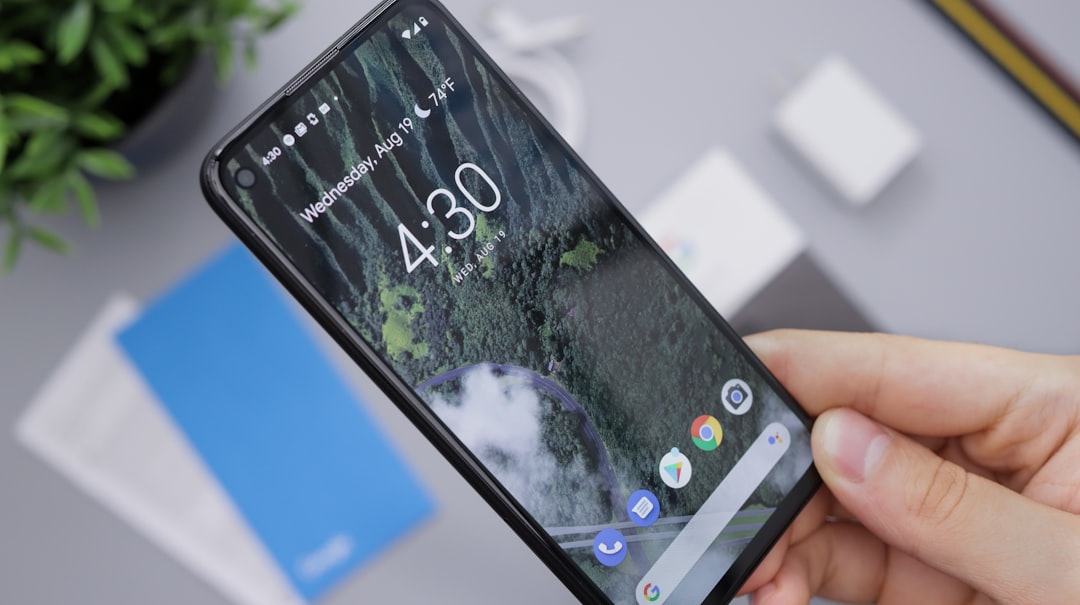
In Chicago, as across the nation, the legal framework aimed at combating spam texts plays a pivotal role in protecting consumers from unsolicited messaging. The primary tool in the arsenal is the Consumer Fraud and Deceptive Business Practices Act, which prohibits businesses from engaging in unfair or deceptive acts. When it comes to spam texts Attorney Chicago specializes in interpreting and enforcing these laws, offering a crucial service in the digital age. They do so by examining the content, method of distribution, and consent of recipients to determine if a violation has occurred.
An expert spam texts Attorney Chicago will delve into the nuances of each case, recognizing that what may seem like harmless marketing to one could be deemed intrusive and illegal to another. For instance, a business sending promotional messages without explicit consent from subscribers would face penalties. Even seemingly innocuous texts can trigger legal action if they mislead or deceive recipients about the sender or purpose. This includes instances where the language used creates a false sense of urgency or implies benefits that are not attainable.
The role of such attorneys extends beyond penalty assessment and collection. They advise businesses on best practices to ensure compliance, helping organizations establish clear opt-out mechanisms, obtain informed consent, and segment their communications appropriately. By staying at the forefront of legal developments in this dynamic field, these experts empower businesses to navigate the complex landscape of text messaging regulations while mitigating the risk of costly lawsuits and reputational damage associated with spam texts.
Penalties & Fines: Consequences for Violators of Chicago Anti-Spam Laws

The legal framework for spam texting in Chicago is designed to protect residents from unwanted and deceptive messaging. Violations of these laws can result in significant penalties and fines, with amounts escalating based on the number of spam texts sent and the level of intentionality behind them. According to the Chicago City Code, businesses and individuals found guilty of sending spam texts can face civil fines ranging from $500 to $2,500 per violation. For instance, a 2022 case study revealed that a local marketing company was fined $1.5 million for sending millions of unauthorized text messages to Chicago residents, underscoring the severity of such infractions.
Beyond civil penalties, individuals and organizations found guilty of spam texting can also face criminal charges. The Illinois Unified Code outlines criminal penalties, including fines up to $25,000 and potential jail time for those who willfully violate anti-spam laws. These stringent consequences reflect the state’s commitment to safeguarding its citizens from intrusive and unlawful marketing practices. A notable example is a 2019 case where a spam text ring leader was sentenced to two years in prison and ordered to pay $1 million in restitution, serving as a stark warning to others engaging in similar activities.
In addition to financial penalties, violators may be required to compensate recipients for any damages caused by the spam texts, including emotional distress or loss of privacy. This can significantly increase the overall cost of non-compliance. To mitigate these risks, businesses should seek guidance from a spam text attorney Chicago specialists who can help them navigate complex regulations and implement best practices to ensure compliance. Regular audits and employee training are also crucial steps to prevent accidental or deliberate violations that could lead to these harsh penalties.
Effective Strategies: Preventing & Responding to Spam Texts in Chicago

Spam texts have become a pervasive issue in Chicago, with penalties for non-compliance reaching up to $50,000 per violation under the city’s Consumer Protection Ordinance. To combat this, businesses and individuals must employ robust strategies for prevention and response. An effective first line of defense is implementing stringent data collection practices that prioritize user consent. This involves clearly communicating opt-in processes during sign-ups and providing easy, unambiguous opt-out mechanisms in every communication. For instance, a Chicago spam texts attorney recommends including “Opt Out” links within SMS content, making it effortless for recipients to discontinue receipt.
Beyond prevention, timely response is key to mitigating damage. When faced with spam text complaints, businesses should act swiftly. A strategic approach involves acknowledging the issue promptly, offering a genuine apology, and taking corrective action. This could include removing the recipient’s number from marketing lists and implementing enhanced filtering systems to prevent future occurrences. Data from industry leaders suggests that proactive response rates can significantly reduce customer churn and protect brand reputation.
Moreover, staying informed about evolving legal frameworks is imperative. Chicago’s Consumer Protection Ordinance is subject to updates, and keeping abreast of these changes ensures compliance and demonstrates a commitment to ethical business practices. Regular consultation with a spam texts attorney in Chicago can provide valuable insights into navigating this complex landscape. By combining robust prevention measures with swift and effective response strategies, businesses can minimize the impact of spam text issues while fostering customer trust.